• How To Achieve A Sustainable Lifestyle?

    Sustainability is the foremost thing that’s needed in our life nowadays. The earth has entered into the next mass extinction phase and this time we are in danger along with other critical species just like the dinosaurs were millions of years ago. 

    All this has happened because of the activities of a single species – Human Beings. 

    On World Health Day, your best bet for the world and the environment, is to have a SUSTAINABLE LIFESTYLE.

    One that will reduce the environmental burden of our activities, that is, our carbon footprint. The world first set out for this sustainable lifestyle concept in the 1992 earth summit when we initiated the concept of sustainable development

    It took more than 2 decades to make a sustainable development roadmap and finally announce sustainable development goals to be achieved by 2030.
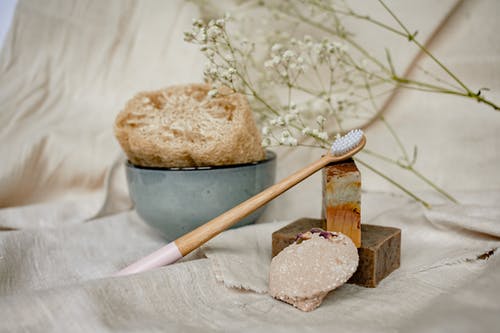
    The key ingredient of this is to replace every non-environment-friendly thing in our life with eco-friendly sustainable alternatives. This would reduce the carbon emission potential of everything in our life, thereby making way for sustainable living

    Here’s how we can achieve such a sustainable lifestyle. All of these goes into the effort of reducing our global carbon footprint to 2 tons of CO2 per year by 2050. This is necessary to curtail the 2 degree Celsius rise in temperature which will further accelerate the effects of global warming and climate change. 

    1. Eat Organic Food, Reduce Meat

    The biggest carbon emitters come from the food that we eat, specially meat products. This impact is more if we are eating imported and processed food items. The way towards a sustainable and healthy life starts with eating local produce. Here “think global act local” is the key. Opting for organic food produced in a natural and chemical-free way that doesn’t involve much processing, high-end manufacturing, transportation and packaging holds the key. Each of these processes adds more carbon emission potential to your food. 

    So, the correct way is to grow food on your rooftop garden or your balcony along with the purchase of locally produced organic food.

    2. Buy Fewer Clothes, Buy Organic Clothing

    Next to food, it’s the clothes we wear which need to change. Most of the fabrics we wear undergo heavy processing and manufacturing which requires gallons of water. While fabric materials like polyester, georgette, nylon etc are harmful to the environment because of their non-biodegradable plastic nature, seemingly eco-friendly fabrics like cotton are not so far behind either. A simple pair of jeans or cotton shirts use gallons of water to be made.
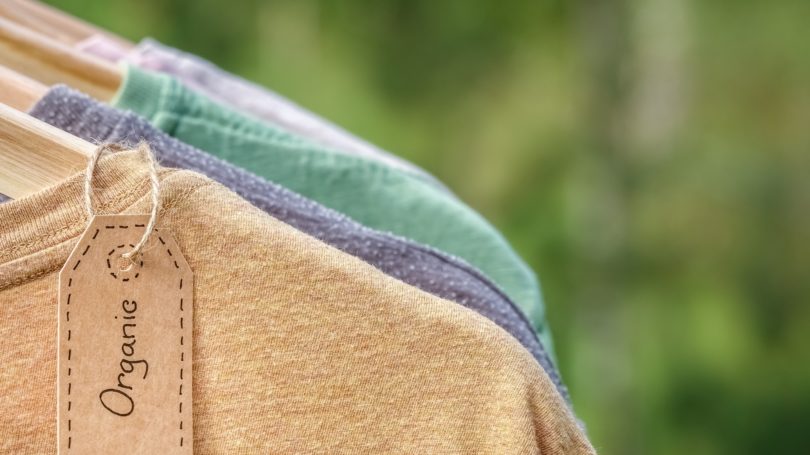
     

    We surely can’t waste that much water to fulfil our never-ending need for fashionable clothes. The only way to make way for a sustainable life is sustainable fashion which starts with judicious buying of clothes, restricting too much purchase. Even if you have to buy new clothes, go for sustainable clothing or organic clothing made from natural sources. 
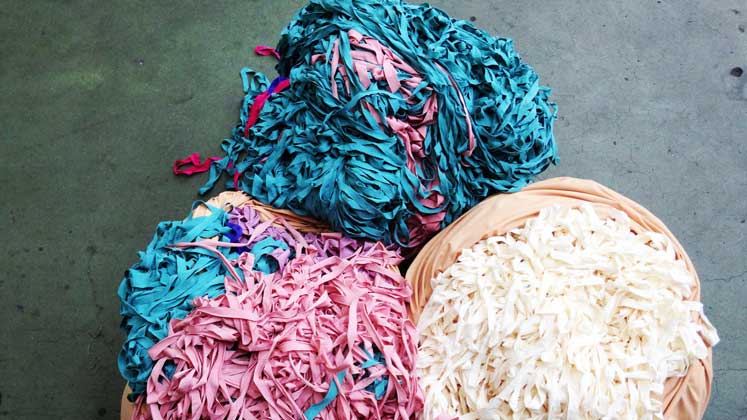
    fabric waste

    Some have even recycled and reused fabric waste and other kinds of waste to make sustainable clothing, opt for those. 

    3. Build A Sustainable Kitchen

    The way to a sustainable life starts from a sustainable kitchen. The heart of the home lies in its kitchen and when it turns eco-friendly our life turns eco-friendly. The conventional products that we use in our kitchen such as food containers, storage jars, utensils, cutleries, trash bags, disposable plates, tissues and napkins – all are harmful for us. Most of these have some form of plastic or Styrofoam which chokes the planet. Moreover, the production of these items requires a huge amount of water, electricity and other resources which adds to its carbon emission potential.
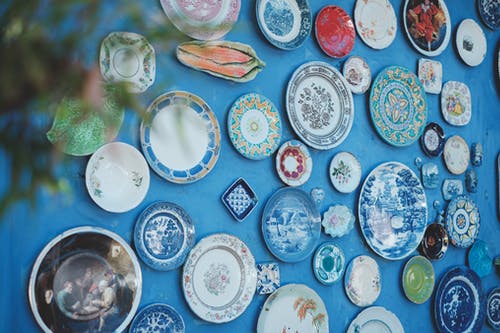
    So for sustainable life, we need to switch to eco-friendly products for our kitchen. This includes basic kitchenware like storage jars, bottles and utensils which has readily available clay, ceramics, copperware and other alternatives. We can further reduce plastic pollution by switching to disposable cutleries and plates made of sugarcane, bamboo, seaweed, areca leaf, banana leaf etc. This can be easily broken down and turned into compostables as they degrade in 45-60 days.

    Tissue rolls and napkins too have eco-friendly alternatives like those made of bamboo fibres. Similarly, your regular plastic trash bags can be replaced with eco-friendly compostable bags made with corn. 

    This way we can build a sustainable kitchen. 

    4. Use Natural Detergents & Bathing Products
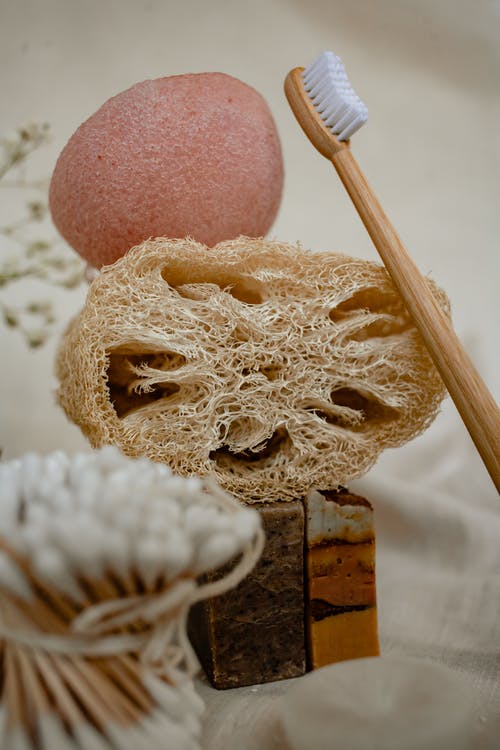
    The next thing to change in our way to sustainable life lies in our bathrooms. Let’s start with the bathroom, shall we? Everything we use here is toxic to the environment – right from the chemical-laden soaps, shampoos and body lotions to the plastic toothbrushes to the synthetic loofas

    So switch to eco-friendly solutions. Instead of commercial soaps, shampoos and body lotions opt for eco-friendly handmade alternatives made using natural cleansers like aloe vera, lavender, charcoal etc. It’s quite safe for use as they seldom react with your skin. 

    Green life concept

    Detergents have the same problem of having toxic chemicals in them and sometimes even plastic elements. So replace them with eco-friendly cleaners, disinfectants and detergents made directly from natural antimicrobial and antibacterial sources like lemon, neem, tulsi, manjistha etc.

    The plastic toothbrushes can be replaced with bamboo ones and our synthetic loofahs can be replaced by natural scrubbers. 

    That’s how you make a sustainable bathroom, an important aspect of sustainable living.

    5. Use Natural Cosmetics & Beauty Products

    Lastly, your skincare, cosmetics and beauty products need to change to support the environment. Most contain harmful chemicals and parabens which harms the environment. 

    Switch to eco-friendly face washes, cleansers, moisturizer, lipstick, kajals etc which are made from natural sources in a cruelty-free non-toxic way.

    Together all of these speak for an earth-friendly sustainable life where you are living in harmony with other species and not causing any damages to the environment.

    So, make way for this sustainable life.

    The earth is waiting! 

  • Designer Products For Sale!

    For those who are thoughtful like us! We have a gift for you!

    A gift of a book in this age of motion pictures.

    Yes, you guessed it right! Custom designed stationaries to makes us more introspective.

    Notebooks, Diaries, Coffee Mugs, Calendars, Postcard Greetings, Canvas painting – all in one place.

    Now, hold your breath before you get to know the price. It all falls under mere 500 INR  starting from as low as 120 INR.

    Gift your friends the gift of writing. Acknowledge your truest feelings.

    #ShareAThought

      Visit our Facebook Page to know more and order.

    https://www.facebook.com/pg/Agantuk1/shop/

    Fill up the form to get in touch with us.

    Go back

    Your message has been sent

    Warning
    Warning
    Warning
    Warning
    Warning
    Warning

    Warning.

    So hurry up and flaunt your style!!

  • How Indigenous Communities Can Change Narrative of Climate Change

    “You say you love your children above all else, and yet you are stealing their future in front of their very eyes…” Greta Thunberg

    In the 21st century, climate change will be the primary cause of the disruption of human lives and all other forms of life on our planet. At a time when children are skipping schools and taking part in climate change marches all over the world to urge governments to take action, there are communities of people who are silently living a sustainable life for centuries.

    Many indigenous peoples are living examples of societies thriving with sustainable, low-carbon lifestyles. Successfully meeting the global climate change challenge requires that much of the world shift from high carbon-living to low.

    This shift is daunting. Current emissions for Australia and the United States average about 20 tonnes of carbon dioxide per person. In the coming decades that needs to fall to two tonnes per person as it is currently in Brazil or the Dominican Republic.

    Emissions from most indigenous peoples are even lower and are amongst the lowest in the world.

    Yet, the first blow of climate change always falls on the indigenous communities who lose their crops, their land, and sometimes even occupations. Despite being at the receiving end,  it is their ways of living which may show us the way forward.  In fact, the UN COP24 proposals of 2018 acknowledged the climate actions of local indigenous people and called for measures to strengthen it. 

    Over the past 50 years, scientists have accumulated a huge pool of evidence that shows the existence of these TEK ( Traditional Ecological Knowledge) amongst the indigenous communities of the world. Now, this can be anything and everything under the sun which utilizes the viability and reproducible quality of nature. 

    Through years of experience of living in the environment, these communities have developed mechanisms of food supply, irrigation, crop production, water engineering, soil and water conversation, even astronomy and architecture. These certainly could help in developing effective long term mitigation strategies.

    Even if carbon dioxide emissions came to a sudden halt, the carbon dioxide already in Earth’s atmosphere could continue to warm our planet for hundreds of years… NOW IMAGINE, IF WE CONTINUE AS WE HAVE

    The need of the hour: ADAPTATION  

    As headlines of global climate change become more alarming, it’s easy to forget that climate change is also an intensely local problem.

    Mountain ecosystems are probably the most vulnerable to climate change, according to the Intergovernmental Panel on Climate Change (IPCC), with several extreme impact events attributed to warming. For many mountain communities  climate change is already a very real threat.

    Silently, climate change has started to leave a trail of disasters in these mountains, and that has consequences for major lowland cities that rely, knowingly or not, on mountain ecosystems for food and water, agriculture, and livelihoods.

    In the majestic mountain ranges of Cordillera Blanca, local communities found it hard to believe that global warming was to blame for local rivers turning red laden with heavy metals. As the glaciers melted on these mountain ranges, metal-rich rocks were exposed to the air for the first time in thousands of years.

    The glacial meltwater washing over the exposed rocks carried metals such as lead, arsenic, cadmium, and iron into area waterways, turning rivers like the Rio Negro a rust-red. This contaminated both soil and water and posed a significant health risk. Over time, people, wildlife, and livestock who drank the water became sick, and crop productivity plummeted.

    In the remote mountain villages around the Rio Negro, the ingenuity to adaptation took over in a  curious and innovative form. To restore the poisoned river water and contaminated landscape around it, villagers collaborated with scientists from the Mountain Institute and with academic specialists. With training, they built a water purification system that collects the acidic river water in small ponds. Then, using local traditional knowledge, they planted native plant species that could absorb metals from the water.

    Closer home, the Nicobarese people of the Andaman & Nicobar Islands saved them from the deadly tsunami of 2004 by remaining inland and at higher ground. However, these people had to bear the cost of the ‘one-size fits all’ rehabilitation plan which robbed them of their natural resources and the indigenous knowledge. The effects of the situation is still visible in Carr Nicobar, more than 15 years after the nature calamity happened.

    So, the true test of their knowledge is inclusivity and making them part of the climate change narrative.  

    The way forward…..

    Involving the communities on the front lines of climate change in this way is vital to finding concrete solutions to local problems; the open dialogue and collegial relationship with the scientists empowered the local community, sparking a palpable sense of pride in both local traditions and scientific solutions to complex climate problems.

    .

    Indigenous People are not mere victims of climate change, they are the solution providers of climate change

  • How This Teacher & Her Friends Nurtured the Sewing Skills of Women In Cyclone-Hit Sunderbans Into Livelihoods

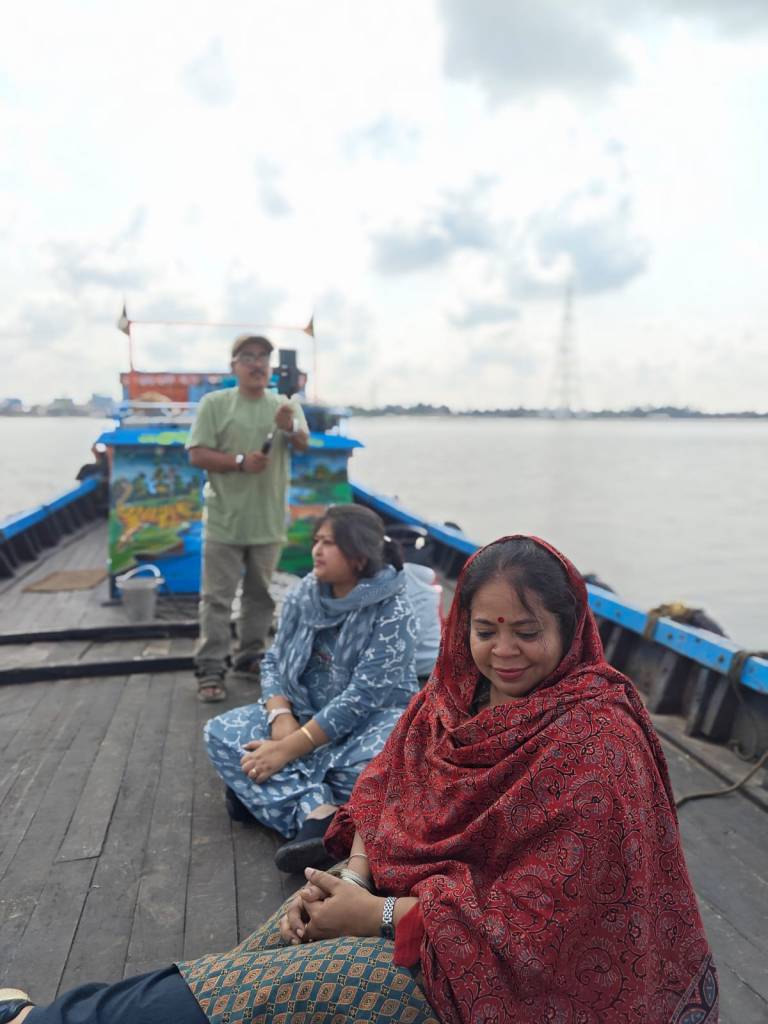
    “The hand that rocks the cradle rules the world,” wrote poet William Ross Wallace in praise of women, especially mothers who remain confined to the boundaries of home. However, in real life, the situation is far from the fiction, especially for homemakers in rural areas of India, as 51-year-old Dipalika Banerjee Joshi and her compatriots Swarnali Chattopadhyay and Jayanta Sen found out in the sinking Sunderban. 

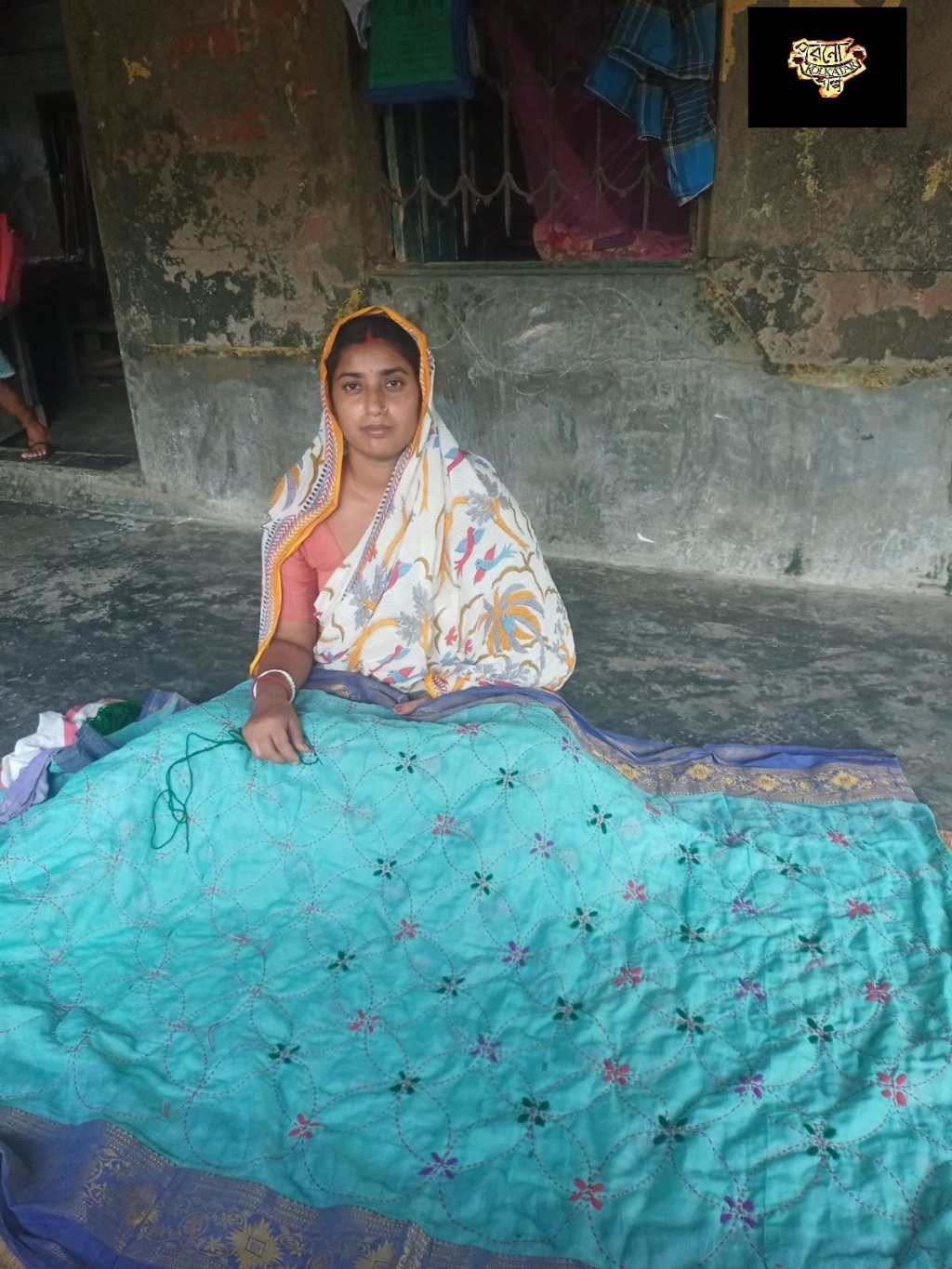
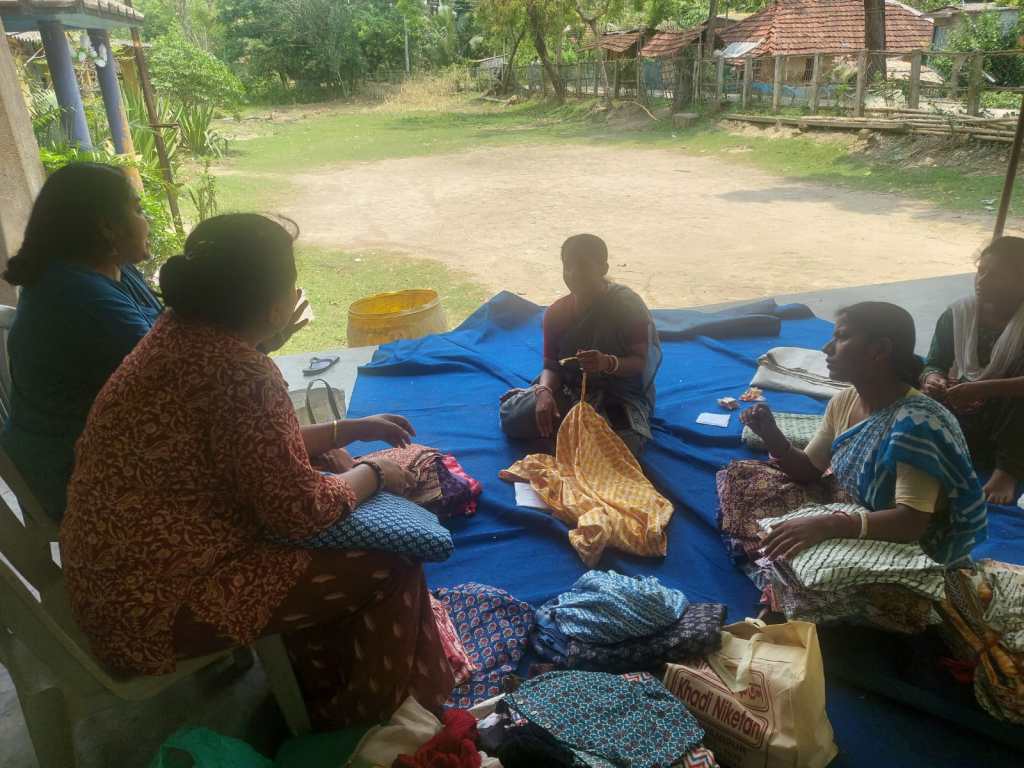
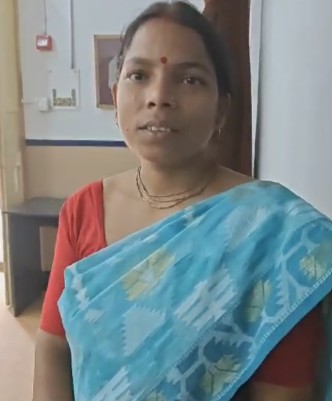
    An English teacher by profession, Dipalika and her two friends of the same profession started a women empowerment unit, ‘Selaighar,’ meaning “Sewing House,” with 11 women learning to make clothing like Kanthas, Bengali-style quilts in the Piyali region of Sunderaban. 

    “As an English teacher, whenever I taught literature to my students, I naturally spoke of values and the larger role we play in society. But this value-based education took on deeper meaning when I began practising what I preached,” says Dipalika

    The cyclone of realisation

    The idea came out of her firsthand experience in relief work in the Cyclone Amphan-hit region in 2020. Initially, out on a citizen flood relief initiative from their heritage awareness group on Facebook called ‘Purono Kolkatar Golpo,’ Dipalika and her geology educator friends gradually realised the extent of the problem. 

    Providing essential materials and supplies wasn’t enough for these marginalised people, especially for women who were homemakers and didn’t know how to financially help their out-of-work husbands. 

    “Saline water had flooded the fields, rendering them uncultivable for the next 3-4years. We saw what lay ahead: most men would be forced to leave as migratory workers across India, while women—who were educated —would stay back to care for children, elders, the fields, and the poultry,” Dipalika explains. 

    This resulted in quick thinking on her part and her friends, and they set aside some money from the cyclone relief fund they had gathered from their ‘Purono Kolkatar Golpo’ group on Facebook. With that money, they started the Selaighar project in 2020, aiming to provide at least Rs 1000 monthly income to rural women, which in 5 years has spread out to 5 units across localities like Sagar Island and Ghoramara, employing about 97 people.

    Nurturing the in-built skills of marginalised women

    It’s not just natural calamities and the loss of jobs that drove Dipalika and her friends to start the Selaighar initiative. They understood the nurturing ethos of rural women who, though untrained, were already quite skilled in natural things like sewing and mending clothes. 

    “In Bengali households, from our childhood, we have seen one constant thing—mending and sewing. We have watched our mothers and grandmothers join borders of old cotton saris to make light quilts or craft kantha quilts from worn-out saris with beautiful embroidery,” Dipalika said.

    The educator further illustrated what prompted them to start a clothing-making venture with these homemakers from Sunderaban instead of other things. 

    “We’ve seen them mend clothes skilfully. In some households, women even stitched children’s clothes or blouses—things that concerned them and where thrift mattered,” revealed Dipalika. 

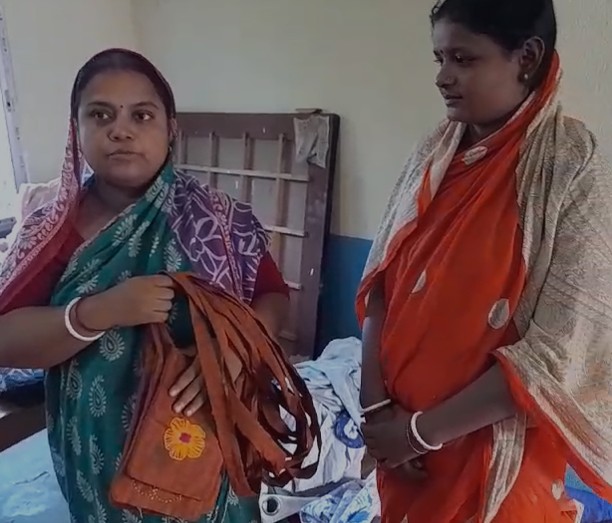
    So the skill was already there. What these underprivileged women needed to turn it into a livelihood was some basic training and certification. At first, the Selaighar women started making basic things like masks and cotton bags and gradually moved onto skirts, shirts, dresses, table mats, and Bengali-style quilts. 

    The women of Selaighar with the cotton bags they made

    This was during the COVID-19 pandemic, and these marginalised women helped in fighting the virus by delivering 10,000 masks for the Gangasagar Mela, resulting in them getting more work from the Sundarban Development Authority.

    Wading through adversities

    However, not all triumphs are long-standing, and soon Dipalika and her schoolteacher friends faced the challenges of women’s empowerment. Their first centre in Piyali had to be shut down, as it was too close to Calcutta. So, most women didn’t return to making clothes and went to the city to work as house-helps once the covid lockdown ended. 

    Dipalika says, “Failures like this made them realise that the need for this kind of women empowerment initiative is greater in remote areas like Sagar Island and Ghoramara Island, which are extremely remote and vulnerable to cyclones.” 

    The Selaighar women working

    Hence, they ventured into more remote areas, setting up more units where there was a demand for them. Initially, they arranged for a 3-month training program with a paid tutor who taught 22 women in Piyali how to make kurtis, shirts, dresses, trousers, and quilts. But the women got interested in learning further, resulting in a 6-month training program done in association with the leading sewing machine manufacturer brand, Singer India. 

    After the training, the Selaighar women had to sit for an examination in a Singer India-approved course to get a certificate. Armed with this credential, they metamorphosed into a trained worker whose skills were recognised, making more work available for them. 

    Weaving sustainability and a dying tradition

    The training not only provides some financial freedom and work for the homemakers but also provides an opportunity for Dipalika and her friends to keep traditional skills like Bengali-style quilts, or Kantha-making, alive. 

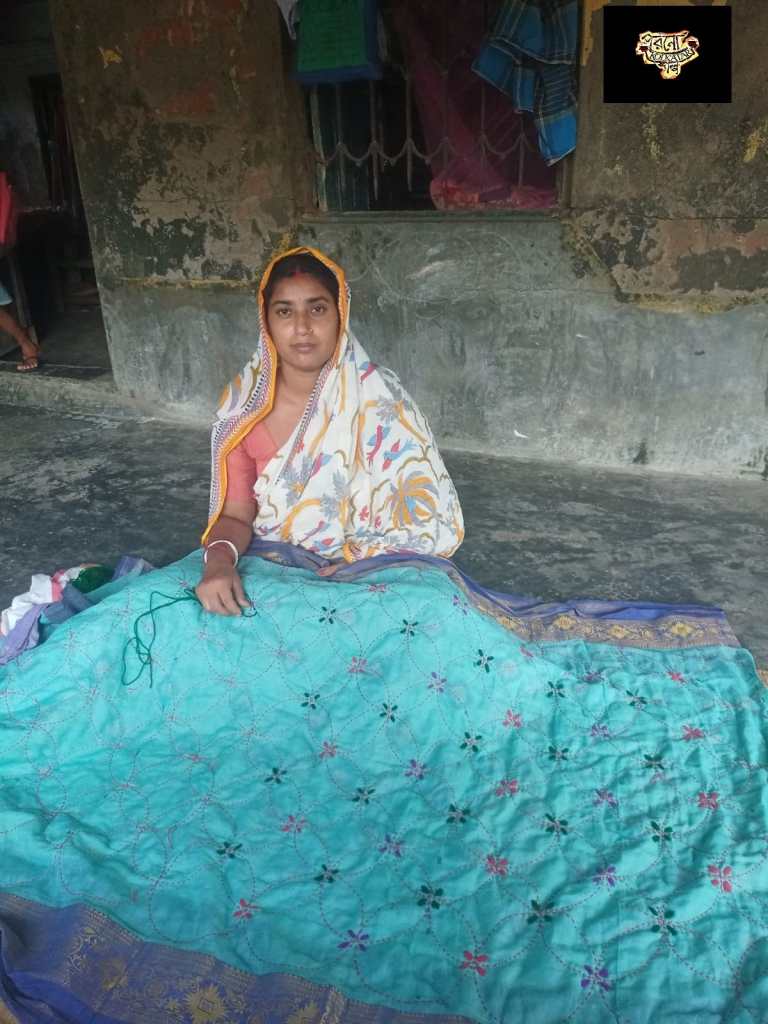
    “This wasn’t just about introducing a new skill—it was about reviving a traditional one many of them already carried in their hands and hearts: Kantha-making,” Dipalika said. Recently, the Selaighar women went through an 8-day Kantha embroidery training workshop conducted by national award-winning artisan Bina Dey. 

    Learning Kantha embroidery from Bina Dey

    Speaking about their outlook on reviving old traditions and sustainable living, Dipalika explained how the Kantha tradition originated in Bengal in 1500 BCE, “when women repurposed worn textiles into quilts and other household items.” 

    The Kantha embroidery done by the Selaighar women

    “They layered old saris, dhotis, or lungis and stitched them together using threads pulled from old fabric, creating intricate patterns. Often, these kanthas became family heirlooms—stitched lovingly over the years by grandmothers, mothers, and daughters. Kantha is not just embroidery; it embodies thrift, sustainability, and artistry,” she added.

    She and her friends not only enhance the skills of these marginalised women in Sunderaban but also help them maximise their real-life natural skills for the betterment of the habitat. This happened when 80 women from the Selaighar project were involved in conducting a pilot survey after some basic training. It was a joint project of Jadavpur University and IIEST Shibpur, which ended with the women planting 4150 mangrove saplings in 2021. 

    Delivering confidence to rural women

    The fruits of her labour and that of the marginalised women finally culminated in delivering shirts, skirts, tunics, etc., to people in Calcutta and in cities like Bangalore and Delhi. Some even travel outside the country to the US and the UK. Sometimes, the women get to have fun as they make school uniforms, football jerseys, and bags for corporate events. 

    This is all possible because Dipalika and her team efficiently source reusable and eco-friendly materials like old saris from Calcutta and supply the end products to the customers. Capitalising on their initial strength as a community-centric heritage lovers group on Facebook, Selaighar also holds an exhibition twice a year where products made by these women are bought and sold. 

    A kantha being made from recycled cotton sarees

    Many of these women also visit the exhibition to see how their work is being appreciated by the people in the city. A Selaighar woman named Monimala Bhuiya, a mother of one, revealed how this earning has given her freedom, making her have a say in her son’s upbringing.

    “With this earning, I can pay for the school fees of my kid and even drawing and tabla lessons,” said Monimala.

    Another Selaighar woman, Moushumi Das, said she feels good making the Bengali-style quilts and the various types of bags, including customised orders. “We have gained much from working here. Earlier, we used to spend our afternoons idly at home, but now we have some work,” she added. 

    For Dipalika and her friends, the path towards empowering rural homemakers in Sunderbans is laden with bottlenecks like dropouts due to women’s household duties, but it isn’t entirely impossible.

    You can get in touch with her at +91 96326 67566 to purchase their products or to commission the Selaighar women for some custom-made work.

  • Learning To Draw 3D Illustrations Using Blender

    Earlier this month (April 2025), I started my journey into learning 3D illustrations from a 4-day course by scientific illustrator Rafeeque Mavoor and his venture Scidart Academy. This 4-day course teaches you the basics of 3D illustrations using the open-source tool Blender, which has recently been making headlines due to the Oscar-winning animation film Flow created using this platform.

    You not only learn the basics and advanced tools here but also get lifetime access to tutorials on fundamental tools, 6 separate videos on how to draw 3D illustrations of basic biological structures like nanoparticle, molecule, DNA, the Human Brain and White Blood Cell (WBC) and advanced structures like the SARS-CoV-2 virus and Sensor. Every participant needs to draw at least two 3D illustrations – one from the basic structures and one from the advanced module – to get the certification. And for this, you get 1 week’s time after the 4 live demonstration sessions are done. And all these come at a price of 2000 INR or 40 USD.

    Drawing 3D Illustrations

    Now, that’s about the course, and here are some of the 3D illustrations from the course. I will update it with more illustrations as I go on to make them. Throughout the process, Rafeeque is there on WhatsApp to support you at many points when you get stuck in the Blender software, like I faced with the camera and lighting, and then the nodes window. Usually, the software starts with a cube at the centre, a camera on one side, and a light source on the other side of the cube. You can choose any desired shape to begin your 3D illustration by clicking on the Add button or ‘Shift+A’ shortcut, which will open up sphere, curve, cube, etc., options. Further in the course, you will learn the various features of the Blender software, which result in the structures given below.

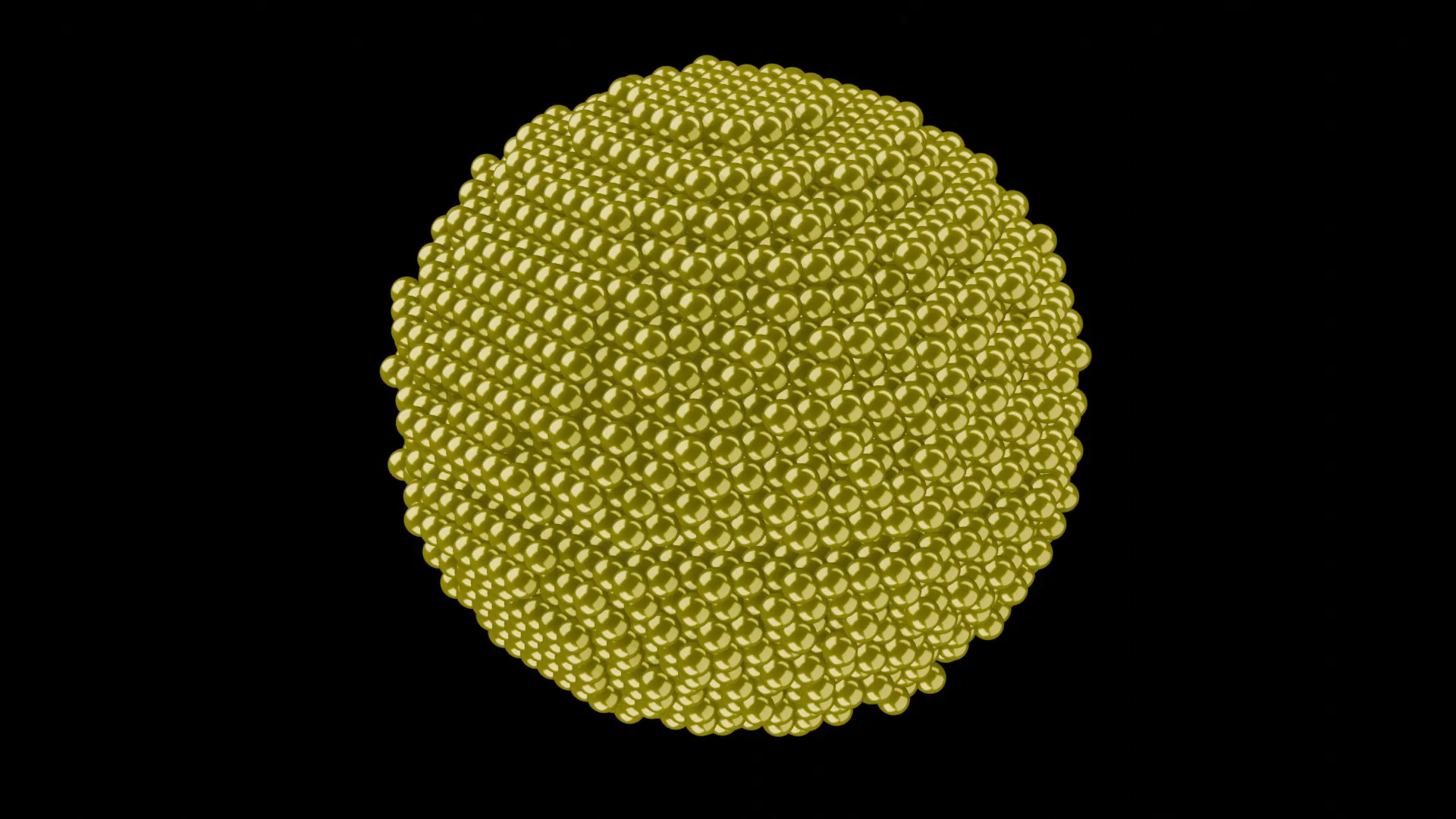
    Nanoparticle
    DNA double helix
    Artistic rendition of a White Blood Cell engulfing a bacteria in 3D illustration
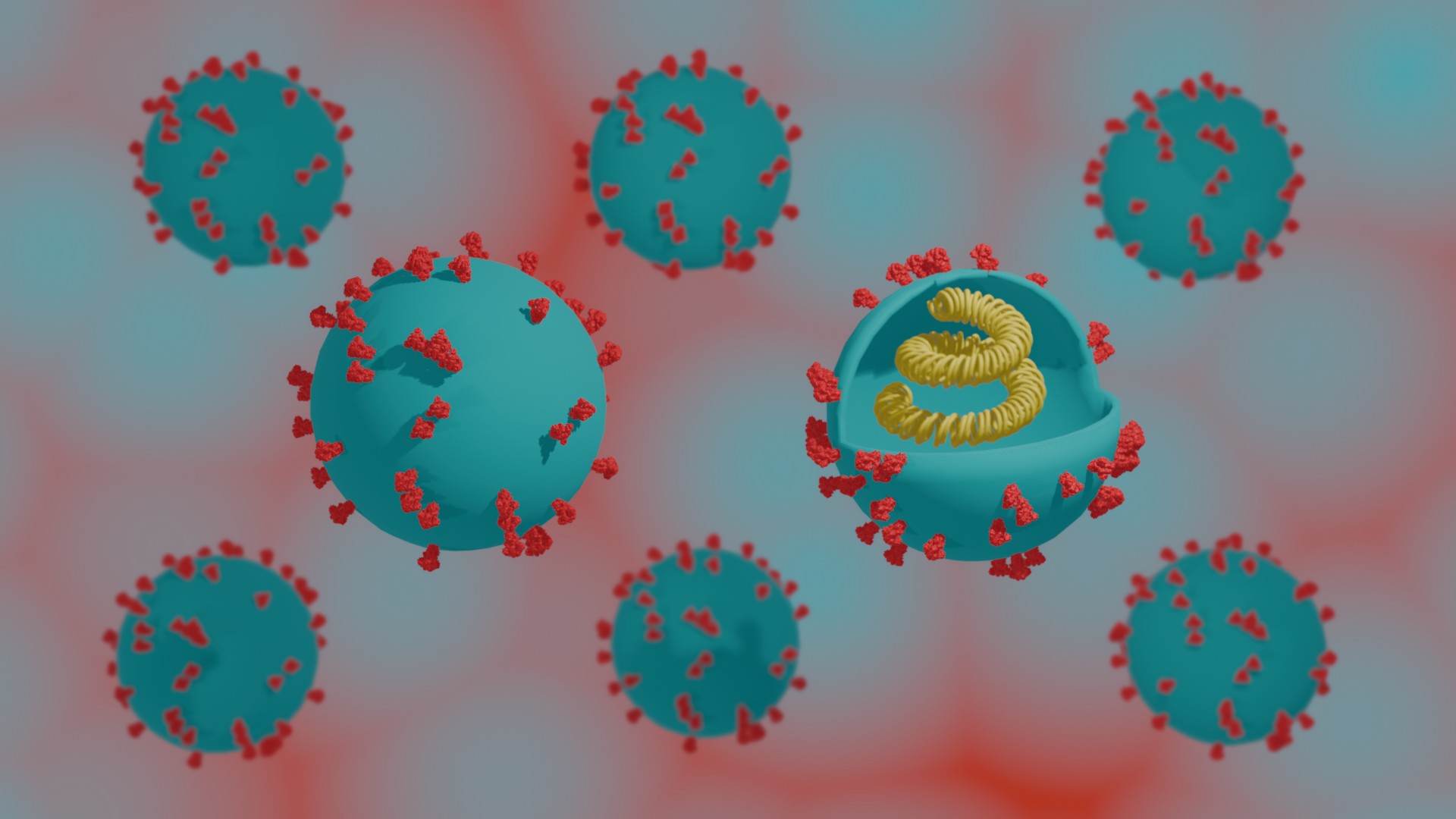
    A SARS-CoV 2 virus and its cross-section showing the RNA genetic material.
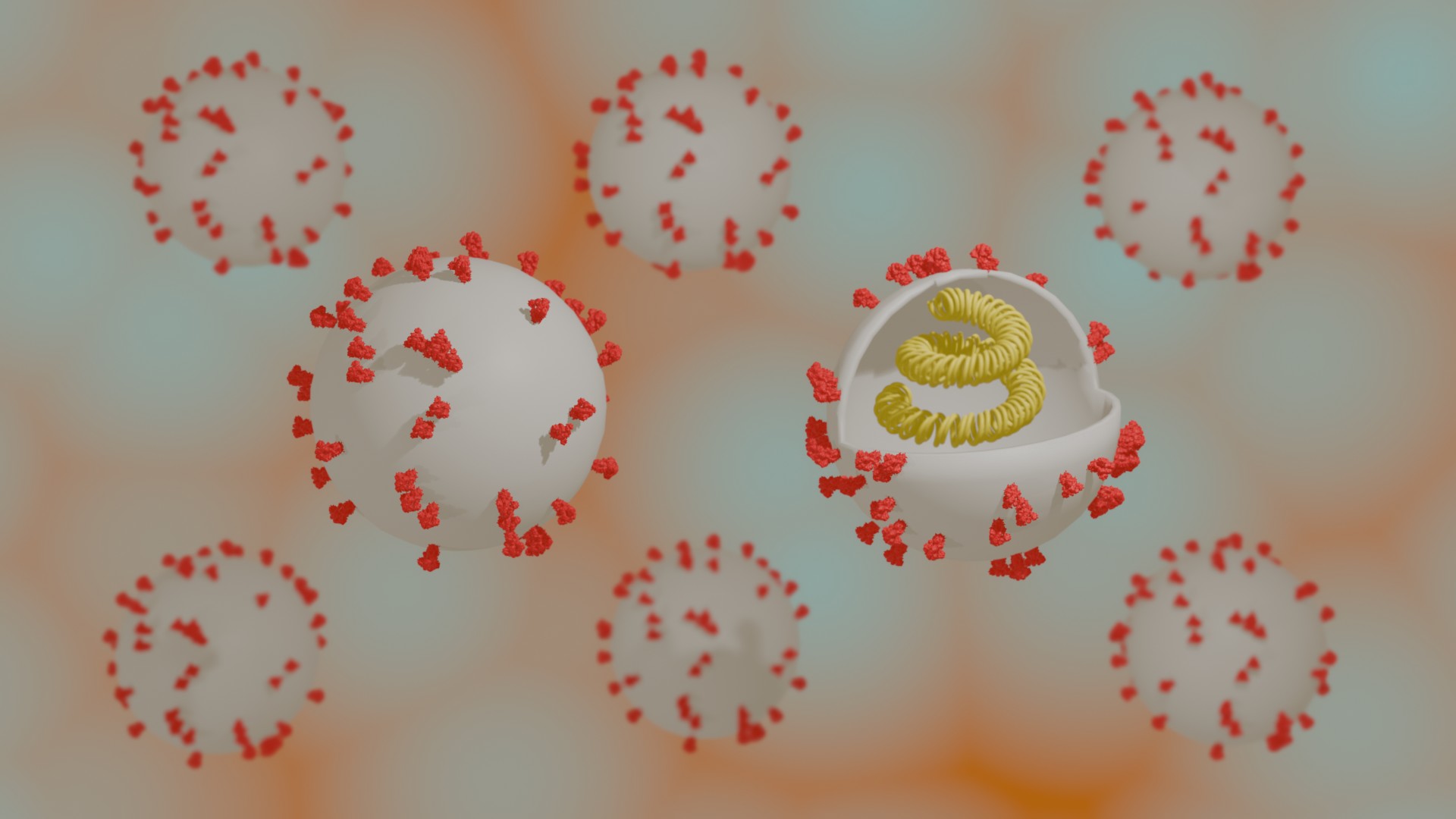
    A SARS-Cov-2 virus and its cross-section amidst the backdrop of the same virus structures.

    Tackling Issues With Blender

    In the above image of the virus, the inner wall has some spots of spike protein. To remove this, I have selected that sphere and applied the ‘solidify’ modifier. However, that only reduced it in size and not removed it completely. Then I had to increase the thickness of the solidify modifier. This increases the thickness of the membrane of the virus sphere, and hence the marks vanish as seen in the image given below. Many such bottlenecks will arise when you start using Blender, including problems with features not working and memory and graphics card issues. Ideally, you need an Intel(R) Core(TM) i5 or i7 with 8GB RAM. Mine was Intel(R) Core(TM) i5, and I had 8GB RAM, so there were some problems with many of the features. Like the colours of the virus were supposed to be in blue, but when I applied it in the materials properties section, the virus didn’t turn blue. So, I had to adjust the project to a white-coloured virus.

    Corrected image with no inner wall marks on the virus.

    Now, if you are someone who, like me, has struggled to apply colour to the objects in these complex diagrams, where copies of viruses need to be made. Make sure the colour nodes are connected in object mode. If it is intact and the colour still says white despite you changing it to your preferred choice. Then, check in the material properties of the sphere if there is any blank material, delete that by selecting it and clicking on the minus sign.

    Final corrected illustration with all the colours applied to the viruses and the background.

    Note: The cover image is AI-generated by WordPress from the 3D illustrations in the article, but seasoned illustrators who have been doing it for years can do it using Blender.

  • [Film Review] ‘Medieval’ A Damp Bloodied Version Of ‘Game Of Thrones’ Meets ‘Titanic’
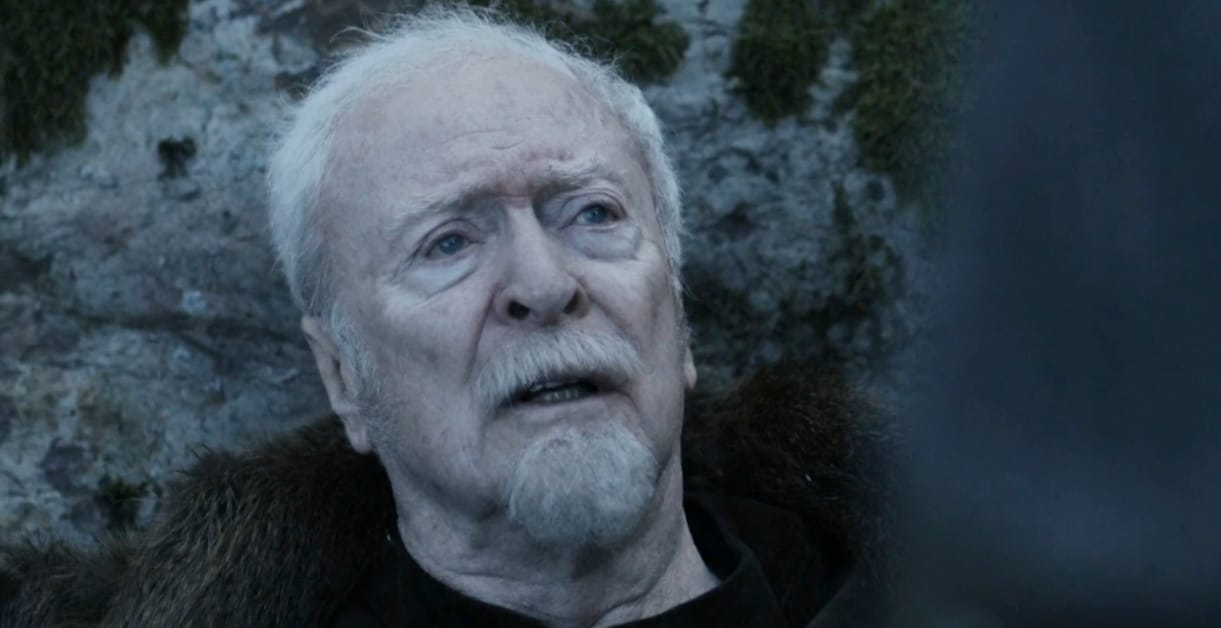
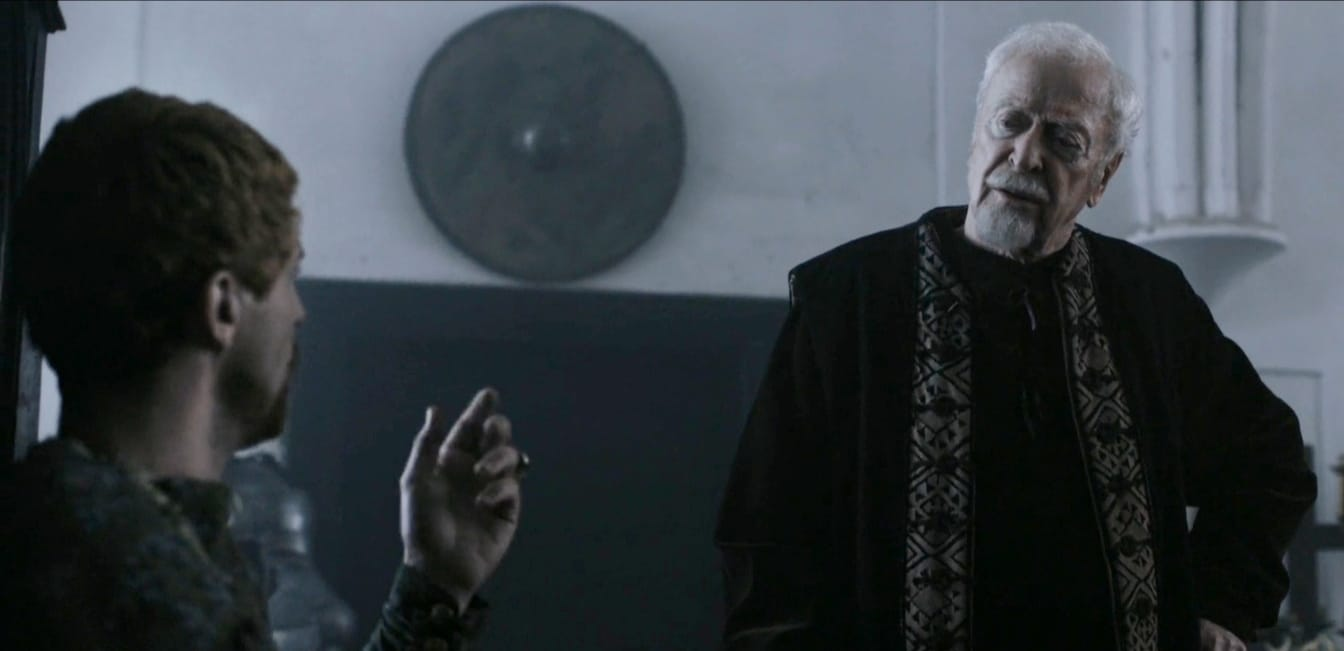
    Michael Caine in the opening scene of Medieval film

    Finally watched this film which is a bit too long and dragging for two hours. This is about the Czech hero Jan Zizka during the time of King Charles IV when the Bohemian kingdom of the Czech Republic was looking for an able heir to the throne which is opposed by a fraction of the people in France who are backing a second Pope while there is already a Pope in Rome. Michael plays Lord Boresh, a fictional Lord who is trying to save the kingdom with his sound advice. He does a good job with a measured performance but the problem is with ‘Get Carter’ type angry accent at the beginning where he sounds like he will throw off people, from the cliff. He appears in the first 15 mins of the film heavily scorned and returns 1 hour later with a substantial charismatic performance for another 15 mins, especially the death scene monologue.

    Michael Caine with Sophie Lowe in Medieval the film.
    Michael Caine making an entrance to the King's court
    Michael Caine in a scene from the film Medieval.

    What stands out in his every acting gig is the way to act in between. How to react when a particular sound is heard, like someone opening a door with a loud bang, like when you are in fear of losing your life as a group of men attacks you. The man keeps mastering this acting with his every outing. And this keeps him in business.

    Michael Caine death scene monlogue in the film Medieval.
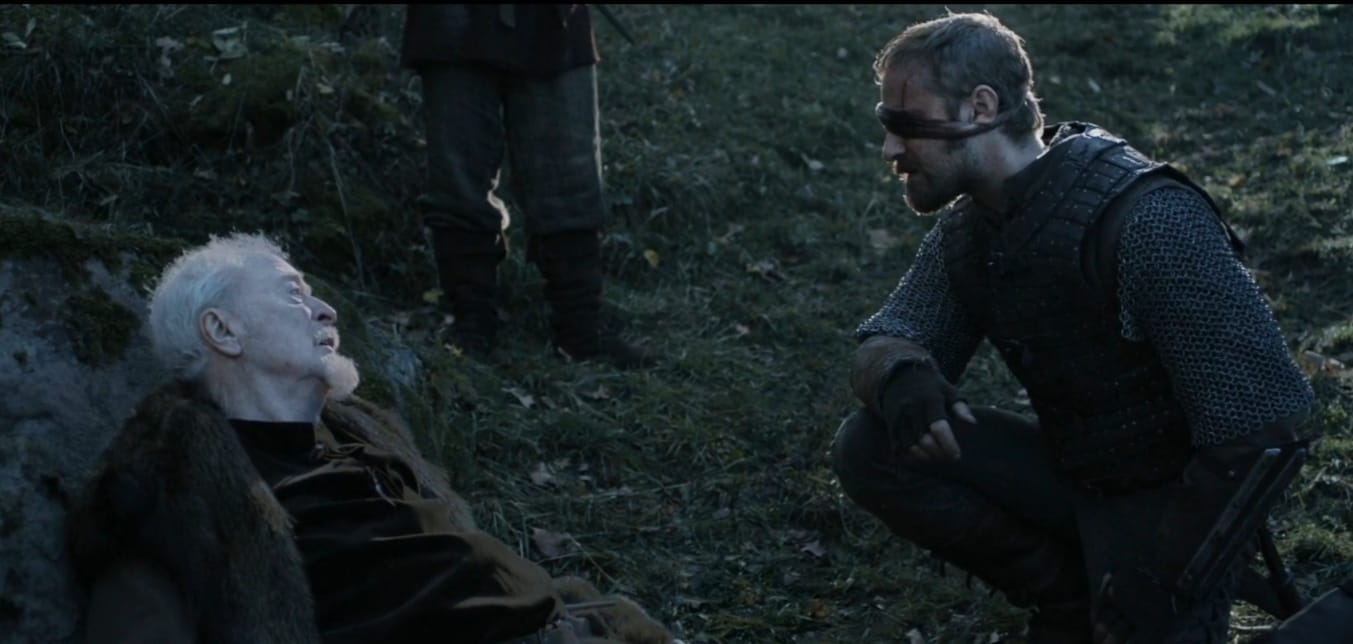
    Michael Caine death scene with Ben Foster in Medieval.

    He has only one scene with the hero of the film which is his death scene (in the above two picture). Michael’s best scenes seem to be with King Sigismund played by Matthew Goode (picture given below) and Jan Zizka played by Ben Foster- both of which are in the second half.

    Michael Caine scenes in Medieval with Matthew Goode.
    Matthew Goode and Michael Caine in Medieval

    About The Film

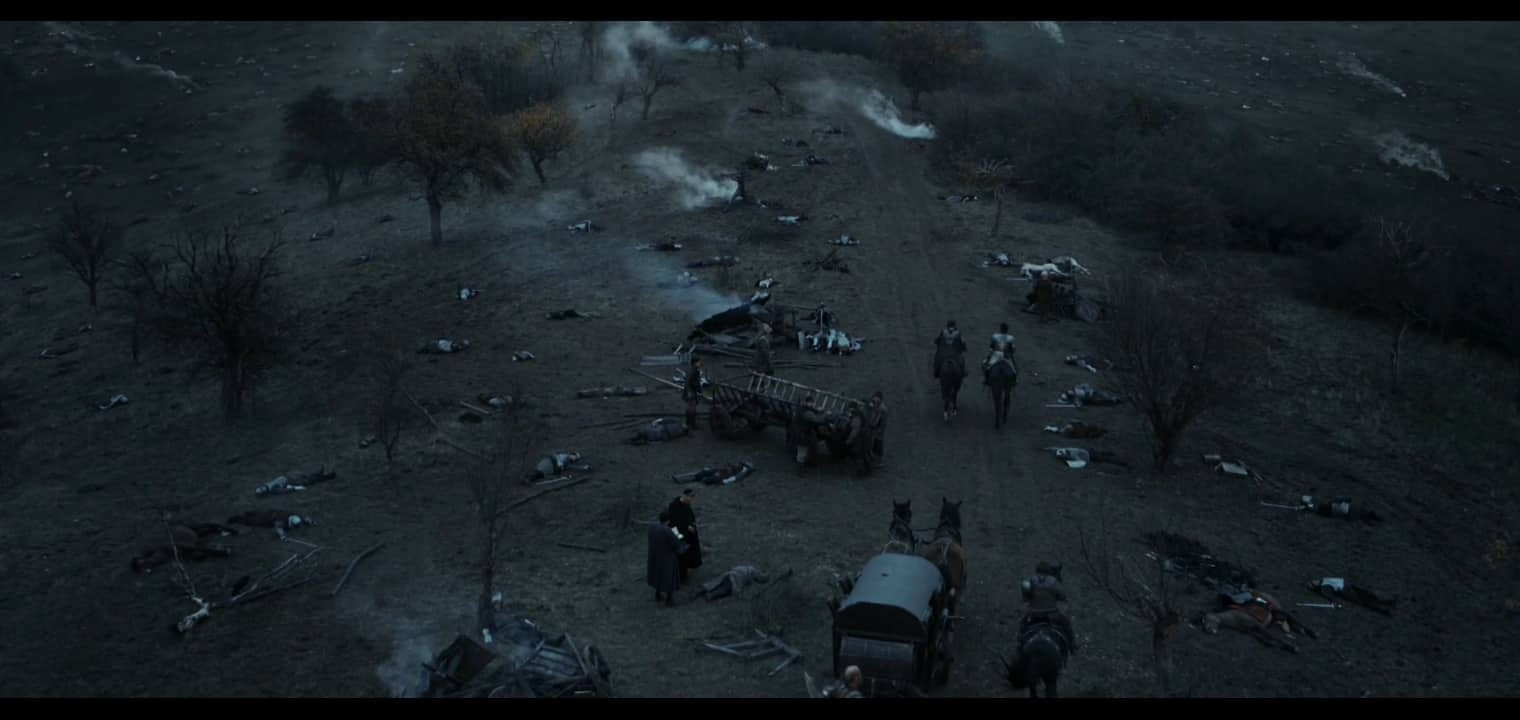
    A battle scene in Medieval film

    The film is very weirdly inconceivable and filled with some visceral bloodshed scenes like a lion eating up a soldier, killing a person like a chainsaw type of movement and then dangling the head, hanging and killings at odd angles, the heroine suffering from a Stockholm syndrome type of thing and ultimately falling in love with Jan Zizka who abducts him from the Romans. The woman also treats his wounded eye with some worms she collected from water and ends up trying to kill herself by jumping off at the end of the film, at which point the hero in Jan Zizka arose and he jumps into the water. He kills the villain underwater and comes up with the body of the lady who hands her ring to him and then they walk in prayer with her dead body while an eagle flies high in the sky (the same eagle is there throughout the film)

    Bottom Line

    Ben Foster in Medieval film scene
    Tilman Valentin Schweiger as Rosenberg in Medieval film

    Overall the film seems like an influenced copy of too many films together. Like someone watched Game of Thrones, Titanic, the Final Problem in Sherlock Holmes and made it into a story. Not sure how much of the romance is accurate in history. It’s a good one-time watch with the best scenes being Jan Zizka urging everyone to fight after Michael Caine’s death and the lady reacting to killing someone for the first time in life. Those two scenes are worth the watch.Both Ben Foster and Matthew Goode along with the other actors try their best to salvage this film but there isn’t much to do as the fighting scenes and the script falls short. Sophie Lowe who plays Katherine, the abducted woman who falls in love with Jan Zizka does a wonderful job but she doesn’t have many substantial lines and keeps repeating ‘There must have been something wrong’ and ‘Something must have happened’ whenever Jan Zizka and the troubled Czechs try to explain to her about her fiance’s atrocities. She does a fantastic job demonstrating the feeling of stained guilt after killing someone for the first time. German actor Tilman Valentin Schweiger does his best in his limited scope playing Rosenberg. Despite these good performances the film falls short because of the lack of substantial storyline and script and better battle scenes.

    I only watched this for a chance to see Michael Caine on screen again and also because of the rare opportunity one gets to see him in a period film. This was his first Czech film and the highest-budget Czech film so far. Earlier he has done similar roles in ‘Last Valley’ which didn’t and on stage as Horatio to Christopher Plummer’s Hamlet in ‘Hamlet at Elsinore’ which was a good attempt to do the play in the Denmark Castle

  • Into the Gobi Desert – A Land Hard To Miss

    Caught in the daily hassles of life, a seeping wish for solitude creeps in us and the vast stretch of arid land seems to provide solace. That’s what first comes to mind when you think of a desert right?

    But Gobi is much more than that. Together with the Sahara Desert of Africa, the Gobi Desert of Mongolia is one of the biggest deserts in the world with varying geographical phenomenons, way of life and wildlife. All of this makes up for an once in a lifetime traveling experience.

    Gobi has everything for everyone. Whether you are crazy about rocks or animals, whether you look to the sky or to the people, whether you love nature or history – you should be experiencing this desert.

    Or should we say Gobi should be experiencing you? 

    Not convinced enough? Checkout how you can trip and fall over this trip and hold your breath for uncertainties. 

    1. An Ancient Ruin

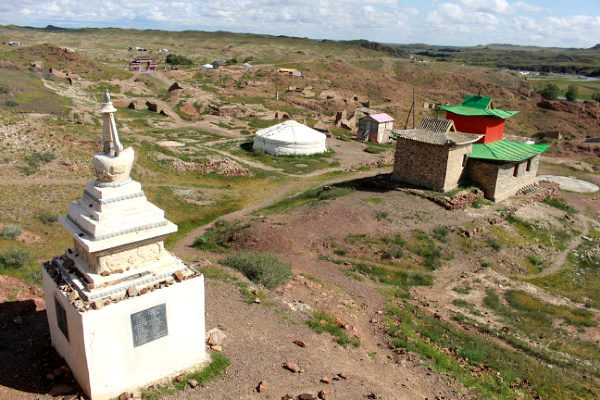
    Amidst this  No Man’s Land lies the ruins of an ancient civilization with its legends and myths. The Buddhist Monasteries of the region Ongiin Khiid guards it. Bari Lam Khiid and Khutagt Lam Khiid were built in 1810 and 1760 respectively. Together they act as a complex and harbour thousands of monks, quietly guarding a different world. They were regarded as the largest monasteries of Mongolia in their time. 

    Source: Travel Buddies Mongolia

    1. The Dreamy Flaming Cliffs

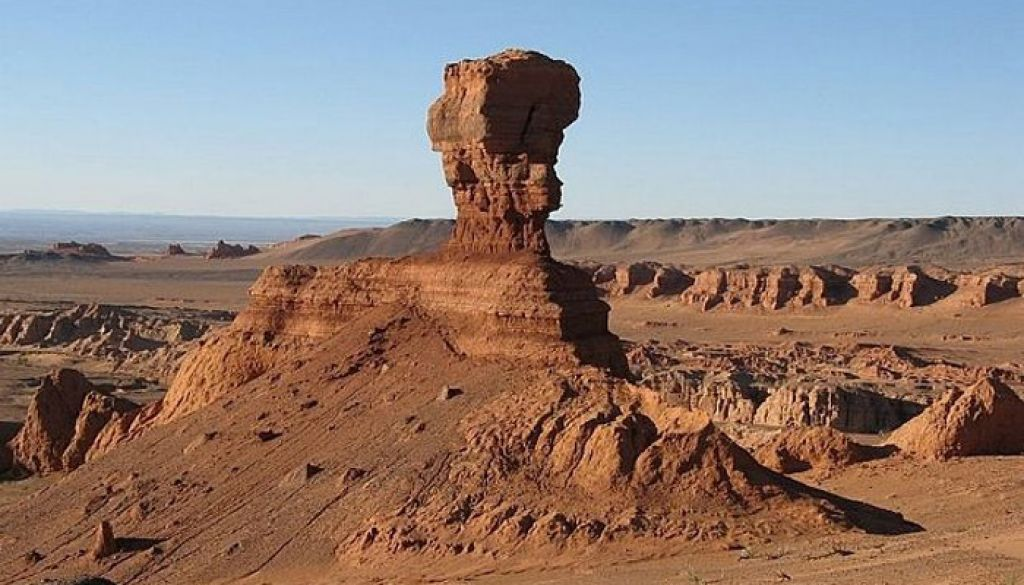
    The glistening rocks amidst the clear blue sky is the place for solace for many. But for the rock excited ones here is where you meet different rock structures as you take a walk

    1. Meeting the dinosaurs

    For the one looking for adventure – a dinosaur is lying somewhere around the excavation sites of Bayanzag

    Source: New Scientist

    It’s a 1922 excavation site with large fossils remains of dinosaurs

    1. A Sand Dune Trek

    This is an exhilarating experience like no other if you can climb up the sand dunes of Khongoryn and live the panoramic view of the azure blue sky and glistening sandy desert

    1. Experiencing A Nomad’s Life

    The foremost experience of Gobi, lies in its nomadic lifestyle and there’s only one way to explore it – live in a ger (yurt), the pristine tents of the pastoral nomadic communities. These spacious dome dents are a perfect place for a desert night out. 

    1. A Sight of Vultures and Gazelles
    Source: Trek Zone

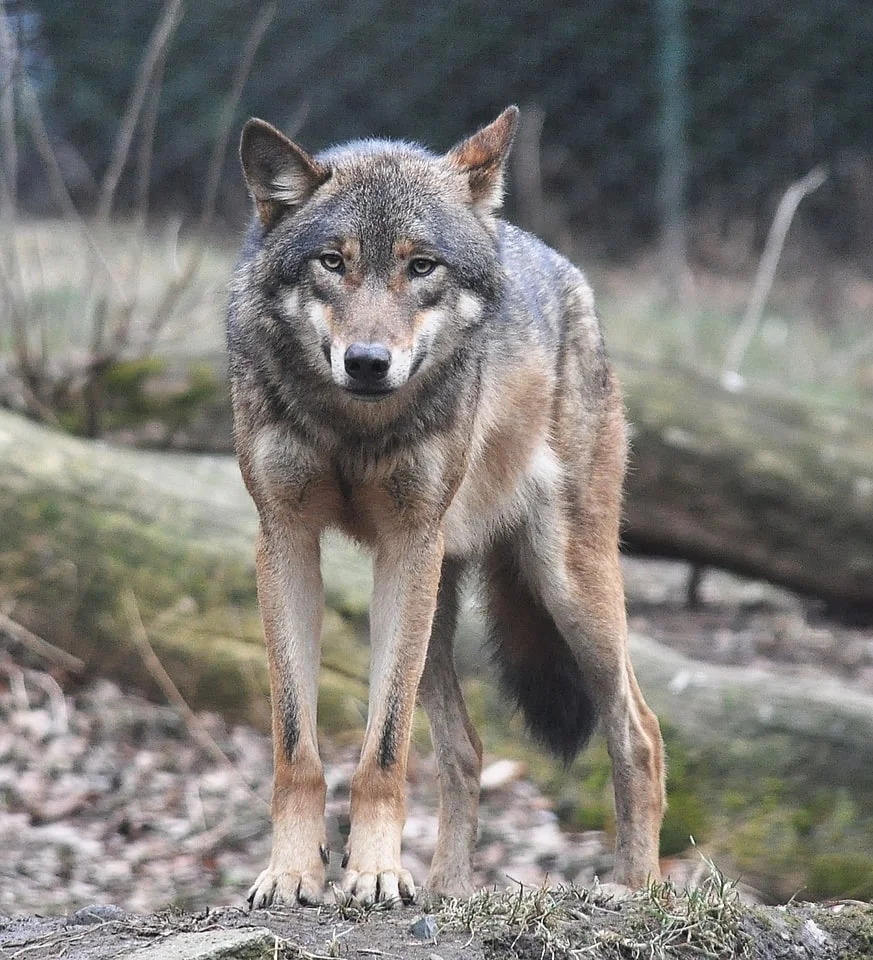
    A 670 sq.km. long nature reserve where you witness exotic wildlife like black vultures, gazelles,wolves, argali etc. At 2200 metre elevation the Ikh Nartiin Chuluu Nature Reserve is a place to experience wildlife and culture together. It’s here you meet the nomadic herd communities of Gobi. Glacial rocks, corals and presence of huge areas of water bodies make it a remote place of wildlife treasure. 

    1. Meet the Eagles in a High Mountain

    Yoliin Am Canyon or the Valley of Eagles is a picturesque green valley surrounded by mountains in  Saikhan National Park. A cool place in the desert summer where ices remain caged in the crevices of rocky mountain walls. Eagles and other wildlife thrive here.

    1. Experiencing ‘The End of World’
    Source: Mongolia Guide

    The beautiful red canyon of Kherman Tsav is a powerhouse of experience. It’s a stuff that legends are made of as told by Roy Chapman’s ” the end of the world”. Find yourself amidst the fossils of this great canyon. 

    1. Living a High Life on A Camel

    Last but not the least, enjoy the quintessential camel ride over the desert and gorge on exotic lamb delicacies. This is the time to explore if you like lambs, they are the choicest food ingredient here. It’s indeed silence of the lamb in the literal sense.

    These are the most hard to miss experiences in the Gobi Desert but thousands more are lying here and there as you move. So, travel with the sheeps and goats to discover the new roads that you have missed! Gobi beckons with its unique call. 

    Each step is a giant step towards mankind and adventure here!

    References

    https://www.toursmongolia.com/mongolia_travel_news/10-reasons-you-must-travel-to-mongolian-gobi-desert

    https://www.discovermongolia.mn/blogs/5-must-do-activities-when-visiting-the-gobi-desert

    https://www.lonelyplanet.com/mongolia/the-gobi

  • Why Indians don’t take mental health seriously?

    October 10 is regarded as the World Mental Health Day. On this day, the world comes together to speak about mental health issues. This year with a pandemic raging all over the world it has become all more essential to address mental health issues. The pandemic has pushed millions into depression, anxiety, and other mental problems, and India being the suicide capital of the world is at the center of it. So, many artists and celebs have come out in the open on October 10, this year to speak about mental health issues. 

    The situation has intensified with the alleged suicide of promising actor and Bollywood star Sushant Singh Rajput earlier this year. While his death has opened up a pandora’s box, the one very grueling reality that has come to the forefront is the perceived lack of awareness and reluctance amongst Indians to take mental health seriously.

    While much of it is attributed to the Indian legal system which didn’t have any specific legal act for mental health issues before the 1987 Mental Health Act came into force. However, much still remains to be achieved in terms of normalizing mental health discussion as seen in the repeated attempts of revising the act. Studies have indicated how crucial is this for the mental health of Indians, especially Indian women who suffer chronic mental illness due to many social-economic issues, and only an atmosphere that gives them a voice can help in the process. 

    However, despite all this, the presumption of mental health is itself problematic in Indian society making mental healthcare quite difficult to attain. A deep psychological analysis underlines what ails in this society and why mental health problems mean social pariah for many. 

    1.Lack of Mental Health Education

    While the perception lies buried in our way we have been brought up and made to view this world. Many are gradually coming out of the mold of that and asking why we behave in this way. One quick look at Quora, the question-answer social media platform that helps people get the most relevant answers to their questions, will reveal where the problem starts. It’s right in our infancy and in our growing up years where mental health features nowhere in our life – neither in school nor at home. This lack of mental health education and even acknowledging that such a thing exists is the root cause of the problem. So, a kid growing up to be a teenager to an adult doesn’t understand his/her mind, he/she doesn’t have any mechanism to think, repurpose or train his mind beyond the social template of right and wrong. 

    A survey done in 2019 showed 200 million Indians suffer from mental health issues. However a majority of us don’t know what a mental health issue is. 56% of people think that mental health illness means talking to yourself while 15% categorized it as being retard and 9% said being depressed.

    This shows how a lack of proper mental health curriculum has made it a lifestyle problem like diabetes and cholesterol. 

    2. Lack of Support System & Mental Healthcare

    Much like sexual illness, mental illness has become a social pariah in the country. It’s not just about the stigma associated with mental health problems but the lack of easily available mental healthcare and support system as well.

    A 2019 estimate highlights that 7.5% of India is affected by mental illness but the number of mental healthcare experts available at their disposal is a mere 4000.

    These few experts can’t cater to the needs of the huge population. For this, you need a good support system along with health experts to consult and talk about your issues in absolute faith and confidentiality.

    3. Lack of Understanding of the Sensitive Nature

    This brings us to the most crucial aspect of mental health perception in India. Many Indians don’t understand the sensitive nature of this type of illness. While many of us downplay it as a regular affair of feeling low which can be treated by talking to friends or going out and having fun, many others think that it’s just passing off phase that happens to everyone. This perceived notion of mental illness and the complete disregard for it as a serious health issue is a root cause of all problems. 

    This thinking prevents people from recognizing the problem and seeking medical help. We need to understand that just like other chronic illnesses like diabetes, cholesterol, etc. mental health is a serious health hazard and needs expert solutions. Going to therapy sessions is the key here. Our friends and family can support us but they can’t solve the problem. Similarly, any happy do-gooder incidents might suppress and deviate the problem but can’t eradicate it. More often than not, these type of tactics ultimately elevates the mental health issues to a monstrous level making it difficult to control

    4.The Stigma of Medical Help

    The most crucial problem with the mental health problem in the country is the stigma associated with mental healthcare. A person suffering from any physical health problems is treated as a normal person and the medical help he is seeking is considered normal. But the moment you know, that a person is suffering from a mental health issue, he is regarded as a retard. More specifically mental health experts are often regarded as a doctor for the retarded. They are not regarded as a trained and licensed healthcare professional. Their career is often viewed below our average cardiologists, gynecologists, etc. Lastly, medication for mental illness is often seen as a vile thing and not just a normal medical treatment for a disease. This lack of normalizing mental health treatment and help often results in people being afraid of it and hence they don’t take it seriously. 

    5. The Burden of the Mental Health Treatment

    Often less discussed in health forums and platforms, it’s the burden of the treatment that keeps people away from taking mental health seriously. Mental health like other physical illnesses hasn’t been normalized in our society. There’s no insurance policy, health benefits, and subsidies for mental healthcare. The whole system is an expensive and tiring long procedure for many. While there are provisions of counseling sessions in workplaces, schools, colleges, and hospitals but they are not adequate to deal with people and often lack the infrastructure to cater to people. Unlike other departments, mental illness doesn’t have any specific department in our public and private hospitals where normal people can go-in ask for help. So, the basic facilities are way behind to make people take this seriously and afford the treatment.

    Conclusion

    This is how mental health issues plague our country, making India one of the topmost suicide-prone nations in the world. To make people aware of mental illnesses, we need to start at the basic.  Mere awareness campaigns and talking about your own mental health issues and saying that we are always available to help won’t solve the problem.

    To take mental health seriously we need to normalize it and be educated about it which has only one solution – mental health education policy and free/affordable mental healthcare facility in public hospitals

    References

    https://www.quora.com/Why-are-Indians-hypocritical-towards-mental-illness

    https://timesofindia.indiatimes.com/blogs/The-underage-optimist/indians-are-still-living-in-denial-about-mental-health-issues/

    https://www.tribuneindia.com/news/lifestyle/on-world-mental-health-day-celebs-talk-about-whether-stardom-leads-to-stress-153653

    https://economictimes.indiatimes.com/magazines/panache/mental-health-in-india-7-5-of-country-affected-less-than-4000-experts-available/articleshow/71500130.cms?from=mdr

  • All You Need To Know About National Chess Day – Second Saturday of October in the U.S. 

    Ever heard of a day dedicated to the game of chess, specifically in the US? Well, we have got you covered with National Chess Day.

    National Chess Day

    Every year, the chess enthusiasts in the United States gather for a game of chess. National Chess Day occurs on the second Saturday of October. This year (2021) it falls on October 9. 

    Now, you might ask why a National Chess Day when we already have an International Chess Day on July 20. Well, the reason is to foster a habit of critical thinking amongst youngsters. 

    So, a game that had its origin in the fifth century and popularised by business merchants, has become a chief ingredient to increase the cognitive abilities of people, especially critical thinking and reasoning. 

    This game played in a 64 square black and white checkered board with  16 pieces of elements is often referred to as a “game of kings” as it was played in the royal courts by emperors and kings. Many battles have been settled by a game of chess. You might call it a mild and subdued form of dueling where 2 players play with 6 different types of chess pieces – 1 King, 1 Queen, 2 Knights, 2 Bishops, 2 Rooks, and 8 pawns – total 16 pieces on either side. 

    This National Chess Day get ready to build your mind palace with us!

    History of National Chess Day

    In 1976, the then U.S. President Gerald Ford declared the second Saturday of October to be celebrated as National Chess Day to promote better thinking skills amongst the public at large. 

    That year, National Chess Day fell on October 9, just like this year. Ford understood the critical essence of chess playing and how it can help in building a nation of critical thinkers. 

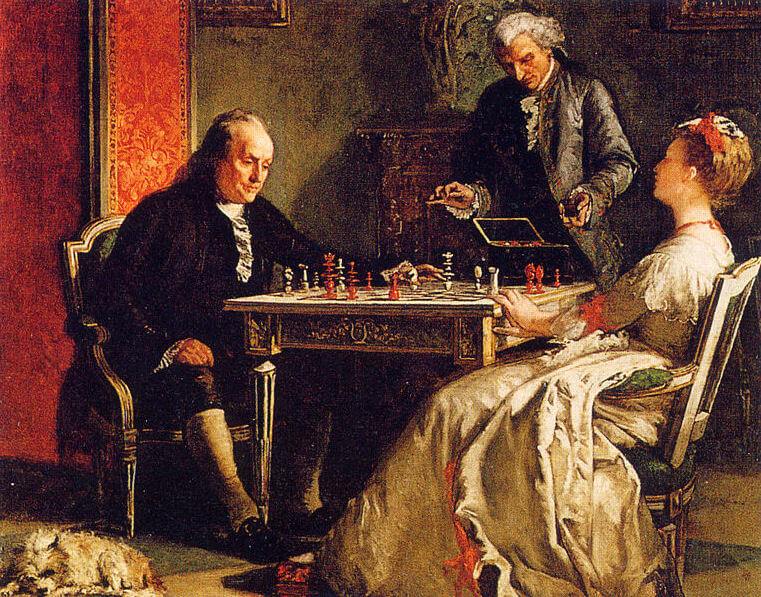
    Most of America’s founding fathers like Thomas Jefferson, James Madison, James Monroe, John Adams, John Quincy Adams etc. enjoyed the game of chess. Even recent U.S. Presidents like Jimmy Carter and Bill Clinton indulged in it. 

    So, this game enjoyed by both professionals and amateurs was the perfect solution to test human faculties and build a sense of sportsmanship amongst compatriots. 

    Since then, National Chess Day has become a huge success in the U.S. as many gathered together to celebrate the day, organising various online and offline events. 

    Apart from favouring good mental health and community building, this day has made the U.S. a superpower in Chess where it’s second only to Russia. According to FIDE sources, the USA has a 2715 rating based on the scores received by our top 10 chess players. 

    Key Moments in Chess Day

    15 CenturyChess Evolves to Modern Form

    The game of chess evolves to the modern form from its ancient form practiced in India. 

    1641Chess Arrives in the U.S.

    Esther Singleton’s book “Dutch New York” brings chess to the U.S. 

    1786 – First American Chess Book

    Benjamin Franklin publishes the first written guidelines of chess in the U.S. in his book “The Morals of Chess”.

    1976 – First National Chess Day 

    October 9, 1976, the U.S. celebrates its first National Chess Day as announced by President Gerald Ford.

    How To Celebrate National Chess Day?

    1. Sign up for a tournament

    The most traditional way of celebrating this day is to get yourself enrolled on a tournament. There are various chess tournaments held both online and offline in every locality for the day.

    2. Create an outdoor chessboard

    The game of chess can become a huge artistic event if played right. Just take the game out and paint the sidewalk into a large chessboard to play the game. 

    3. Craft your own pieces

    This one takes it to the next level and allows you to be more resourceful and creative. Pick up any kind of material and make your own chess pieces. It can be anything plastic, stones, waste, wood – anything!
    Mind-blowing Facts About Chess

    1. A game of moves

    Chess is the game of moves and it can go up to 5949 moves.

    2. The most moves

    The most complex and the longest chess problem is credited to Blathy, Otto (1860-1939) for creating 290 moves.

    3. First pawn move

    In 1280, a new move originated in Spain called “New Pawn Move”, a 2 square first move instead of a traditional 1 square move. 

    4. Checkmate

    “Checkmate” has its roots in the Persian term for  “the King is dead”, “Shah Mat”.

    5. Ways to checkmate

    You can checkmate in 8 different ways by 2 moves and 355 different ways using 3 moves. 

     Why We Love National Chess Day?

    1. Enhances critical thinking necessary to build a nation

    Playing chess involves calculating your moves, understanding your opponents – all of which enhances the critical thinking required to build a better nation.

    2. Helps to tackle mental health issues like dementia

    Studies have found how indulging in a game of chess regularly jogs our memory and helps to tackle dementia.

    3. Because it’s fascinating

    As former President Gerald Ford said chess captivates the attention of people worldwide. It’s the healthiest competition and a challenge to mankind. 

    FAQs

    Why do we celebrate National Chess Day?

    National Chess Day is celebrated every year on the second Saturday of October to foster a spirit of critical thinking and breaking down social barriers.

    Is National Chess Day a real holiday?

    All over the U.S. people celebrate National Chess Day in public and private spaces. It’s not an official holiday but you can definitely break the ice with your colleagues over a game of chess. 

    Who invented chess?

    Chess started its journey in fifth century India and made its way to Europe via Persia, finally arriving in the U.S. in 1641. 

    References

    https://new.uschess.org/news/the-origins-of-national-chess-day

    https://www.thereisadayforthat.com/holidays/usa/national-chess-day

    https://thechessworld.com/articles/general-information/40-facts-about-chess-most-people-dont-know/

    https://chesswizards.com/site/page/view/National%20Chess%20Day

  • Homestays of India – A Startup Empowering Homestay Owners

    When it comes to booking a stay for vacations and holidays, people nowadays are always looking for platforms like Airbnb to find viable homestays or rental options. However, Airbnb is quite expensive and problematic in India. 

    Hence the necessity of an affordable platform that taps into the hidden potential of homestays and vacation rentals in India. 

    Shailza Sood Daspgupta, a globetrotter and social entrepreneur saw this gap in demand and supply and founded the startup “Homestays of India” back in 2017.

    Eco-conscious, Empowering, Enabling

    Source: Homestays of India
    Source: Homestays of India

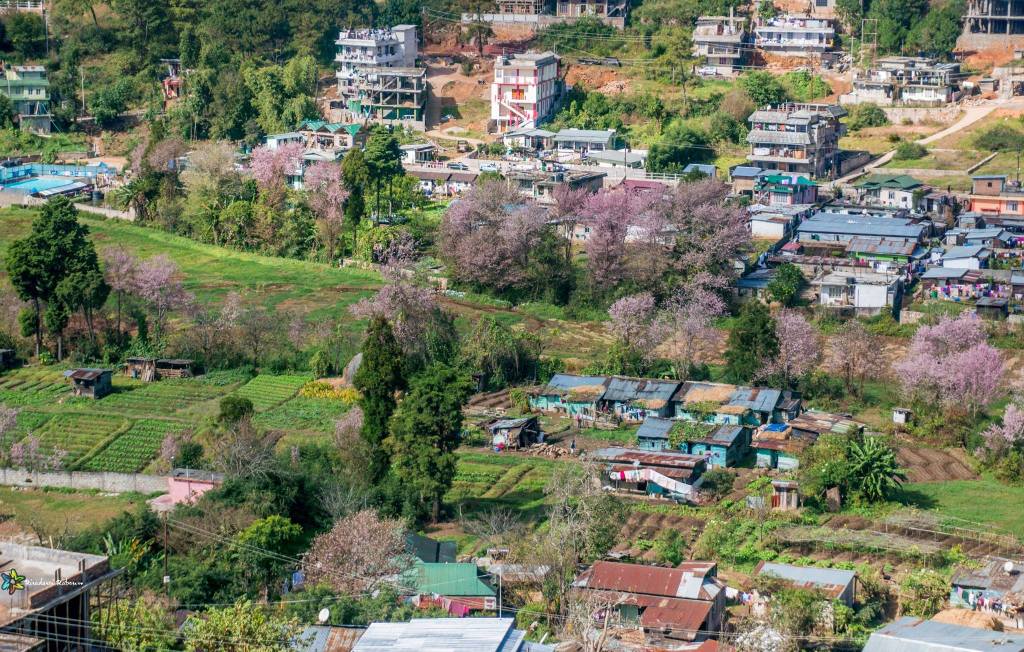
    This Delhi-based startup is the ideal platform to book a homestay anywhere in India with over 100 Homestays available for booking in 21 states. It’s a Sustainability enabled ecotourism startup that takes care of people’s vacation needs in an eco-friendly manner. 

    Unlike other such hosting platforms, Homestays of India empowers the hosts and the travelers by making them bond.

    •  The homestay hosts and owners are trained to highlight cultural insights of the locality and to hire locals.
    •  Frequent meetings are held to educate them about eco-friendly practices and also to highlight the uniqueness and fervor of the place. 
    • The hosts also get to meet other fellow homestay owners to boost their understanding of the industry.
    • The travelers get a chance to interact with each other, the hosts, and the communities in the locality. 
    • They have tapped in new trends in traveling like workation and have turned traditional Homestays workation friendly. 

    They aim to make it look like an effortless traveling experience from a comfy home which is the mantra for digital nomads. 

    Homestays of India’s community empowering efforts have been already recognized by the Indian Government with a national award. 

    Source: Wikipedia

    With each passing day, Homestays of India is looking to find more remote Homestays to strengthen the community. What started as an experience in the Spiti Valley 10 years ago is becoming a national phenomenon now.

  • [Film Review] Best Sellers – Michael Caine, Aubrey Plaza Film Speaks of Hope & Redeeming Self

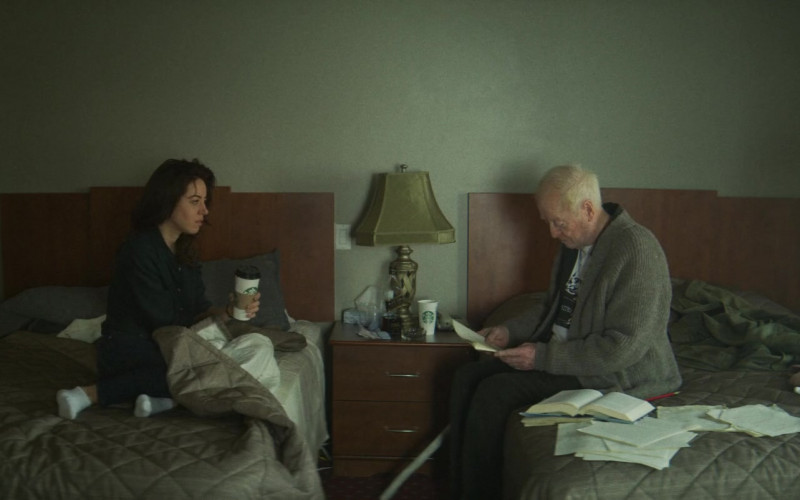
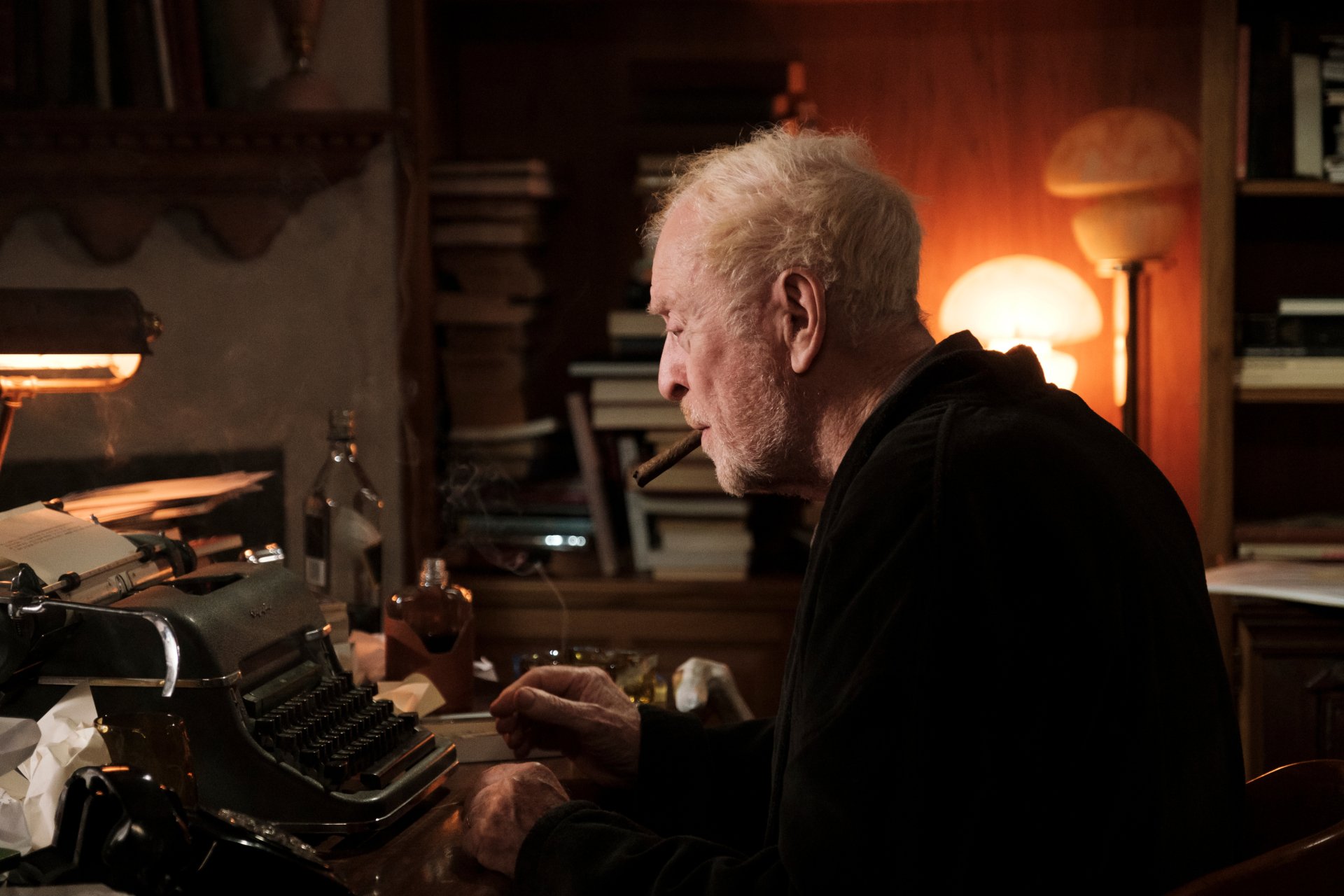
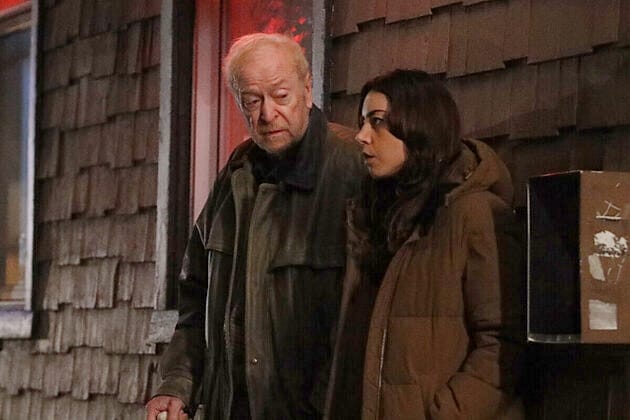
    Best Sellers, a film about a cranky old author who finds hope in a new publisher. Sounds familiar? The Michael Caine Aubrey Plaza starrer film looks even more familiar when you see the trailer. But despite the slow paced stereotypical old school story it isn’t the same. This odd duo starts on book tour road trip to publicize a book that can save the a dying publishing house run by a young girl, Lucy Stanbridge who inherited it from her famous editor father

    This is a story that connects the 2 odd characters who have a common ground of desolation. The difference is one cares, the other doesn’t. The author simply wants to be left alone with his grief and pessimism while the young publisher seeks to stand out in the world. Together, they go out to find a middle ground. The film echoes many of the ethos of Caine’s recent movies but it stands out in spelling out the hope and redemption factor.

    “The Wealthiest place on Earth is not the graveyard but being alive even if you’re the only one left” says the young publisher to the aged author in one of the dialogues of ‘Best Sellers’.


    It’s indeed is a bittersweet heartwarming film which uses footage from Caine’s old Parkinson’s interview to establish the character of Harris Shaw. In many ways it would remind you of “Mr Morgan’s Last Love”, “Is Anybody There”, “Last Orders” and “Educating Rita”.


    It’s too painful to watch at some points but hopeful at others. It’s somewhat like the student-teacher tale in Educating Rita where the student ends up teaching more to the teacher. Here too, the author ends up teaching more to the publisher.

    Best Sellers 4k Ultra HD Wallpaper | Background Image | 3840x2560


    In the end she gains everything to lose everything while he loses everything to gain everything.
    In the end it’s all about redeeming yourself. Burning 40 years of your work might not redeem your burning soul but moments of truth and courage can.


    “Be brave. Be truthful” it says. I would say watch it with care and give it time to decay.
    Lina Roessler once again has done what she does best with her storytelling. I have been interested of her storytelling since I watched her short film, Mustard Seeds. As a directorial debut Best Sellers is quite good. It is dedicated to her father and watching this certainly reminded of mine. This might not be her best but it’s certainly good.

    The music is by Paul Leonard-Morgan who does a good job in connecting the two odd persons who won’t even be in same room if they had their way but now have to go on road trip together.

    Johnnie Walker Black Label Scotch Whisky Enjoyed By Michael Caine As Harris  Shaw In Best Sellers (2021)
    Best Sellers (2021) Movie Product Placement Seen On Screen

    There are some important subtle messages of how social media amplifies things and often makes or breaks a situation but never fully understands it. The cruel world of the publishing industry isn’t that much prominent here. It serves us a background for the personal story. It’s more of a tale of in-betweens which shows how misfit ‘Best Sellers’ are and that simply isn’t the end of your life. Caine’s character Harris Shaw had one such Best Seller in his life, the reality of which he understands later as he gives up his career for personal reasons. The film only has that much semblance with industry

    Wallpapers ID:1173683


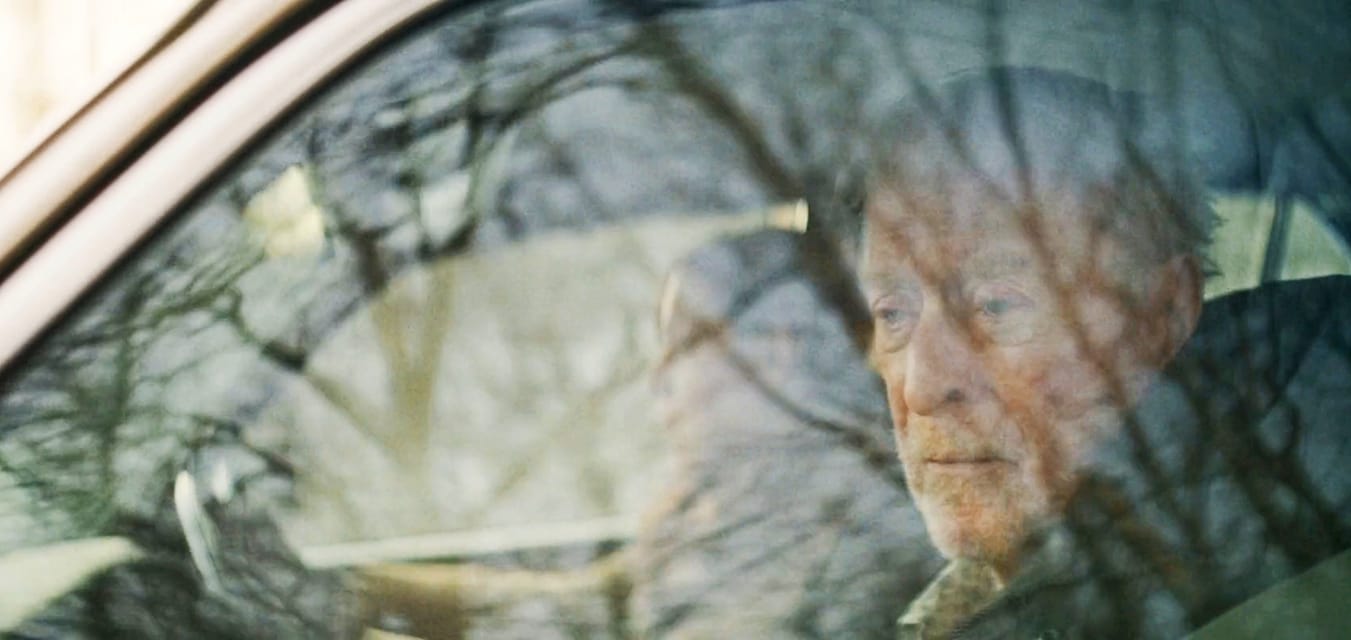
    The two leads are aptly suited for each other in their respective characters. Michael Caine as usual does his part in bringing reality and depth in his character like does for all other unlikeable characters that he played over the decades. The stares are different than his ‘Get Carter’ or other angry young man stares rather these are mellow stares of annoyance which spells distinterest and world bitter.

    Aubrey Plaza plays the part in keeping Caine in humour while dealing with many of his idiosyncracies.

    The second part is better than rest as you go more into the depth. The first part is the reason why it’s labelled as a comedy and pitched that way in the trailer but the treasure lies at the end.


    It ends with these words ” I leave my words in able hands. Go ahead, mess with it. And know that your father meant what he said. You truly are the best, kiddo”

    Watch it with care and time in hand. Watching this film was like watching Michael Caine’s past 10 years of life – both in terms of films and interviews. In many places he uses the same words as he did in real life. Except certain circumstances and stories, the beliefs and convictions are similar

  • 7 Proven Benefits of Multivitamin Supplements

    Thinking of Multivitamin Supplements to better your health but not sure about it, are you? Well, the jury is still out on multivitamins. 

    While some doctors upheld the health benefits of multivitamins others simply aren’t convinced. A new study from Harvard juxtaposes these contradictory pieces of evidence and perceptions and advises judicious use of multivitamins according to your diet and health conditions. 

    So, let’s take a look at what clinical trials and research say about multivitamins. 

    1. Reduces Cancer Risk in Men

    Some studies suggest that multivitamins reduce the risk of cancer in men substantially, especially bladder and colon cancer. There’s direct evidence that multivitamins reduce men’s cancer risk by 8%.

    Efficacy of a multivitamin in preventing diseases like cancer depends on age, gender and diet. In men, multivitamins have no effect in preventing prostate cancer but other cancers can be substantially reduced by measured intake of it.

    2. Reduces Colon Cancer Risk in Women

    Breast cancer and cervical cancer are the two most health scares for women. But here too, multivitamins supplements might not be that helpful for you. However, long term use of multivitamins reduces the risk of colon cancer in women. An NIH study on a large group of women found that measured intake of folate multivitamins for 15 years or more reduces colon cancer risk in women. 

    3. Boosts Energy & Fat Metabolism

    The energy-boosting quality of multivitamins health supplements is the primary reason for its popularity. Most people take multivitamins to energise themselves. A randomised controlled study in the elderly found an increase in total energy and fat metabolism after 8 weeks of intake of multivitamins supplements. Researchers also found that this energy boost works in a dose-dependent manner where effects are seen within a few hours of higher dose intake.

    4. Increases Working Memory in Elderly Women

    While the effect of multivitamins in enhancing memory and cognitive abilities are still dubious, some studies in the elderly show positive effects in women. 

    A 16-week study in elderly women increased their working memory capacity. Most of this was due to the increase in Vitamin B6, B12 and Vitamin E. 

    Although this doesn’t show any improvement in cognitive abilities like speaking and reading, their memory was found to be in better condition with the enhanced power of remembering. 

    5. Helps in Controlling Type 2 Diabetes

    Type 2 Diabetes can be controlled by diet and multivitamins seem to help in this process. Studies show that taking multivitamin supplements with your regular diet can normalize your blood sugar level as they contain Vitamin D and C which helps in the process. 

    6. Helps in Fighting Fatigue

    multivitamins fatigue

    Both physical and mental fatigue can be addressed by using multivitamins. In fact, a multivitamin is taken because of this particular health benefit. Multivitamins reduce mental fatigue by enhancing the activity of neurotransmitters. Vitamins like Vitamin B1 thiamine, Vitamin B9 folate, Vitamin C are crucial for the proper functioning of our neurotransmitters. Similarly, Vitamin B complexes and Vitamin C are essential for the many metabolic pathways of the body including the transport of oxygen. 

    So, a regular dietary intake of multivitamins provides all the necessary vitamins and minerals to rejuvenate the body. 

    7. Reduces Age-Related Cataracts

    Multivitamins have a direct impact in lowering cataract incidents in elderly men and women. Several studies have indicated that regular intake of multivitamin supplements reduce the different cataract problems in the eye. 

    The direct link between cataract and multivitamins was established in a large randomised trial where men above 50 were given multivitamins for 11 years and more. The study found more incidents of cataract in men without multivitamins than with multivitamins. 

    This indicated the long term impact of multivitamin intake on cataract formation

    Thus, research suggests that taking a multivitamin supplement religiously is beneficial for health. But be mindful of the amounts. Large doses of multivitamins can be toxic for your body. Talk to your doctor to know which multivitamin you might need to bridge nutritional gaps. 

    References:

    https://www.health.harvard.edu/mens-health/do-multivitamins-make-you-healthier

    https://www.ncbi.nlm.nih.gov/pmc/articles/PMC3868488/#:~:text=Limited%20evidence%20from%20case%2Dcontrol,%2C%20gastric%2C%20or%20lung%20cancers.

    https://pubmed.ncbi.nlm.nih.gov/9758570/

    https://www.ncbi.nlm.nih.gov/pmc/articles/PMC4750202/

    https://pubmed.ncbi.nlm.nih.gov/22006207/

    https://www.ncbi.nlm.nih.gov/pmc/articles/PMC5691218/

    https://www.ncbi.nlm.nih.gov/pmc/articles/PMC7019700/

    https://www.ncbi.nlm.nih.gov/pmc/articles/PMC3967170/

    https://www.ncbi.nlm.nih.gov/pmc/articles/PMC3946650/